-
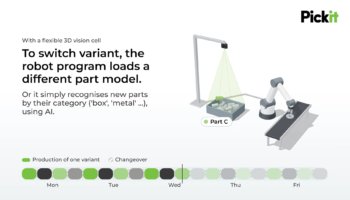
자동화하기에는 제품 종류가 너무 많으신가요? 다품종 소량 생산(High Mix, Low Volume)에 대응하는 방법.
기존 로봇 셀은 고정된 위치와 예측 가능한 부품을 기반으로 작동합니다. 새로운 제품이 추가될 때마다 별도의 고정 지그 제작, 재프로그래밍, 비용이 많이 드는 생산 전환 작업이 필요할 수 있습니다.
더 읽어보기
3D 로봇 비전을 활용하면 최소한의 설정만으로 더 다양한 제품을 유연하게 처리할 수 있습니다. AI 기반 감지 기술을 사용하면 각 제품을 개별적으로 설정할 필요 없이, “상자(box)” 또는 “금속(metal)”과 같은 간단한 프롬프트만으로 새로운 부품을 카테고리별로 인식할 수도 있습니다. -
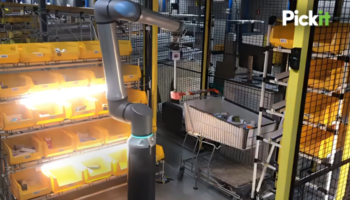
Teaching a vision system every new box? There’s another way.
In distribution, many different SKUs come through in boxes or pieces of different sizes, shapes and colors and changes happen often. For model-based 3D vision, that's a configuration challenge.📦
더 읽어보기 -

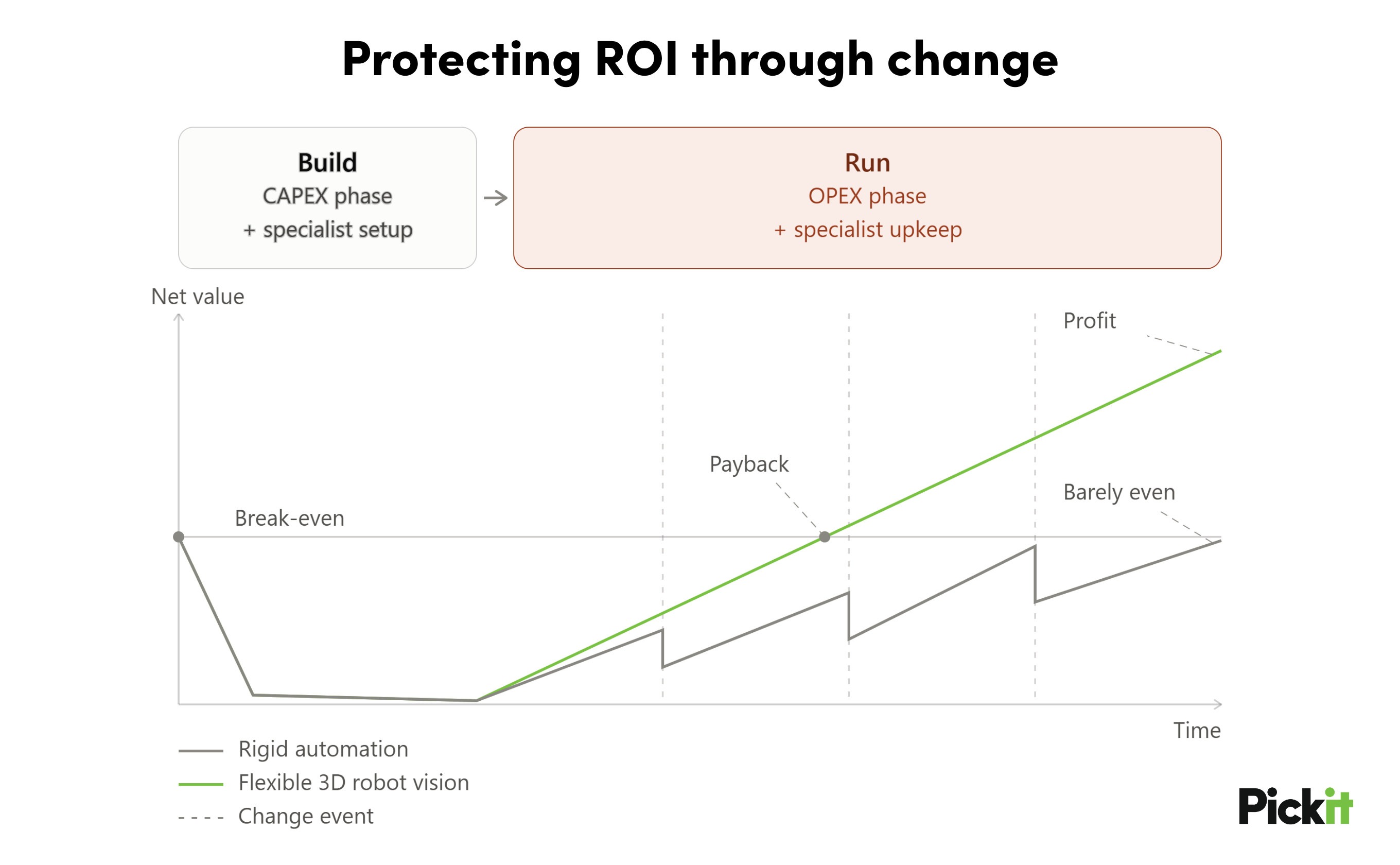
Rigid Automation vs 3D Robot Vision: Which Pays Back Faster?
Two different types of automation: rigid and 3D robot vision. Similar investments. Very different return. Once the cells are running, both start earning back their cost. Then something changes: a new part, a new variant, a revised layout. For the rigid cell, each change means new costs in fixtures, reprogramming and downtime.The cell with 3D robot vision handles the same change seamlessly as it can easily adapt. So it keeps moving toward payback. 📈
더 읽어보기 -
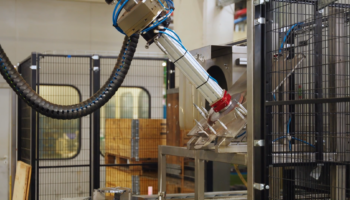
From manual handling to flexible automation at Picanol Group
Heavy gear handling. High product mix. Reflective metal parts. These were some of the challenges Picanol Group, an industrial manufacturing company, set out to solve through 3D robot automation.Together with Proferro, Picanol Weaving Machines deployed Pickit 3D vision across three robotic workstations to automate the handling of heavy, reflective gear components.
더 읽어보기 -
 더 읽어보기
More choice, same Pickit. Two active-stereo cameras join the HD family
Selecting the right 3D camera starts with the application: the required accuracy, field of view and mounting setup are never the same. That is why Pickit is expanding its HD 3D vision camera range with two active-stereo cameras.
-
 더 읽어보기
Automation's biggest cost is the cost of change
Your automation ROI isn’t won or lost on the first invoice. It’s often eroded by every change that follows. New part variants, revised layouts and changing process requirements can trigger extra engineering, new fixtures, revalidation and downtime. 3D robot vision helps cells adapt without rebuilding the process around every change, protecting the business case throughout the cell’s lifetime.
-
 더 읽어보기
Automotive on autopilot. 6 automotive cases powered by 3D Vision
Traditional automation depends on fixed positions, dedicated fixtures and predictable parts. 3D vision enables robots to locate components, compensate for deviations and perform complex production tasks even when picks or parts are different.
-
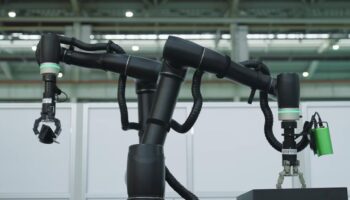
What does the next step in smart manufacturing look like?
This new cobot demonstration highlights how collaborative robots, intelligent automation, and 3D robot vision can work together to create more flexible and autonomous production environments.
더 읽어보기 -
 더 읽어보기
How 3D Robot vision is transforming automotive quality control
3D robot vision is fundamentally changing automotive quality control from a reactive, downstream activity to a proactive, in-line process. Using laser-based 3D robot vision, manufacturers can deploy a 3D vision-powered in-line measurement system that performs real-time inspection of body parts and assemblies.